Judge Slams DOJ Subpoenas of Fed Chair Powell as Political Pressure Campaign Continues
A federal judge has thrown out Justice Department subpoenas targeting Federal Reserve Chair Jerome Powell, calling the investigation unsupported and improper. The ruling deals a significant setback to the Trump administration’s effort to pressure the politically independent central bank.
3/13/20262 min read
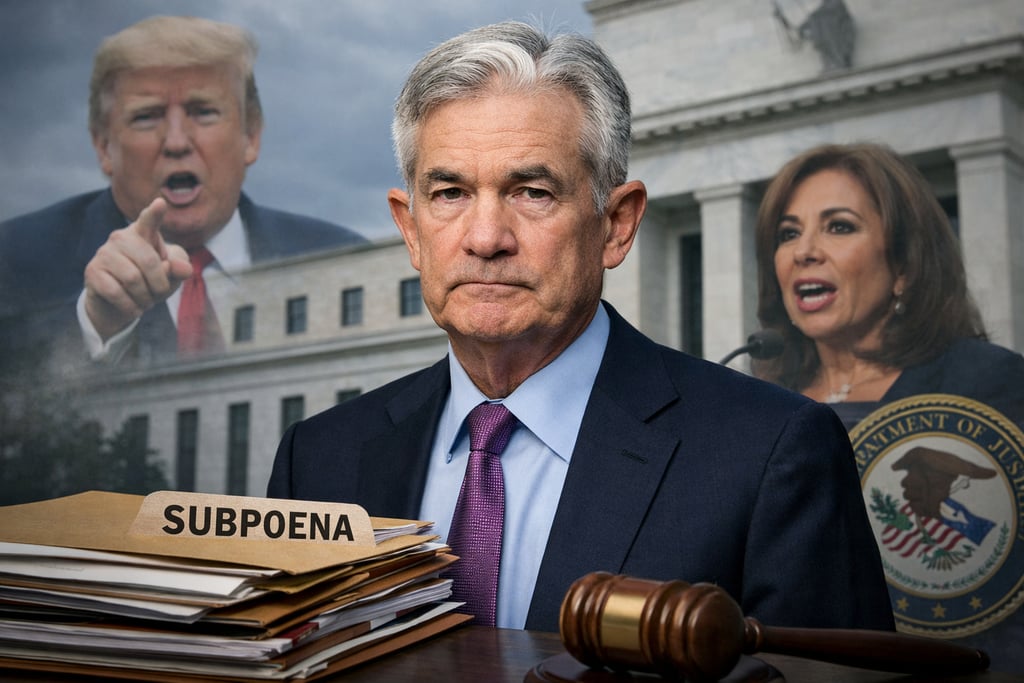
A federal judge has quashed subpoenas the Justice Department issued against Federal Reserve Chair Jerome Powell, according to court documents unsealed Friday.
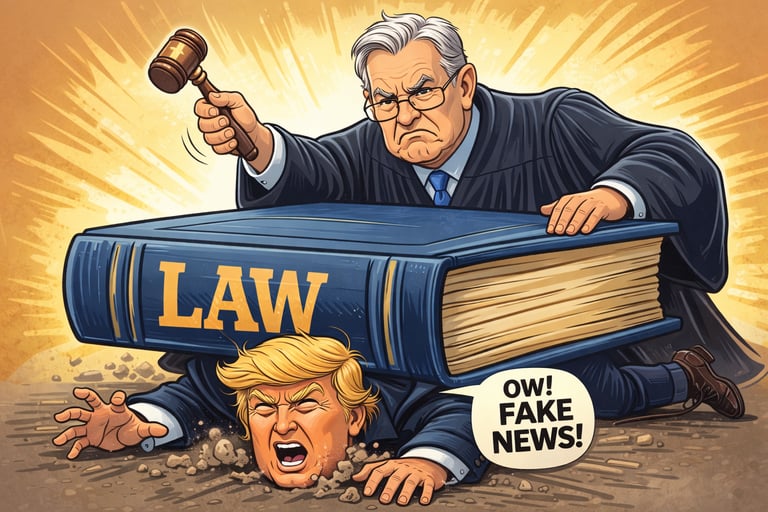
U.S. District Judge James “Jeb” Boasberg ruled that the investigation lacked evidence and appeared to be an attempt to pressure Powell to lower interest rates or step down. In his opinion, Boasberg wrote that there was a “mountain of evidence” suggesting the subpoenas were used to force the Fed chair into changing policy.
At the same time, the government produced “essentially zero evidence” that Powell committed any crime. The judge said the justifications presented by prosecutors were so weak that the court could only conclude they were pretextual.
The investigation had been launched by D.C. U.S. Attorney Jeanine Pirro. She quickly condemned the ruling during a Friday news conference and announced plans to appeal, insisting the case was about enforcing the law and not politics.
The probe is part of a broader pressure campaign by President Donald Trump, who has repeatedly attacked Powell for refusing to lower interest rates. Trump has also continued to criticize Powell publicly while his administration attempts to remove Fed Governor Lisa Cook, a Biden appointee.
Powell largely avoided responding to the attacks until earlier this year, when he released a rare public statement calling the investigation an affront to the Federal Reserve’s independence.
The controversy also affects the pending nomination of former Fed Governor Kevin Warsh to replace Powell when his term ends in May. Senator Thom Tillis, a key Republican vote on the Senate Banking Committee, said the investigation should be resolved before the Senate considers Warsh’s nomination, calling the probe “nothing more than a failed attack on Fed independence.”
In his ruling, Boasberg concluded the subpoenas were issued to harass Powell and pressure the Fed into lowering rates or clearing the way for a more compliant chair.
Even though there was no direct precedent for such a case, the judge wrote that the absence of precedent did not make the action acceptable. “Even if nobody has tried that before,” Boasberg wrote, “a novel improper purpose is improper all the same.”
The opinion also noted the government could not clearly explain what false statements Powell had supposedly made to Congress. The judge mocked the thin justification, writing that the government seemed to be searching for any reason to investigate Powell — suggesting they might as well accuse him of mail fraud simply because someone once saw him send a letter.