The Cost of Speaking Too Soon
Early Warnings, Power, and the Silence Around Jeffrey Epstein. Long before Jeffrey Epstein’s name became shorthand for one of the darkest scandals in modern America, there were warning signs. Quiet ones. Rumors. Interviews that felt off.
2/20/20262 min read
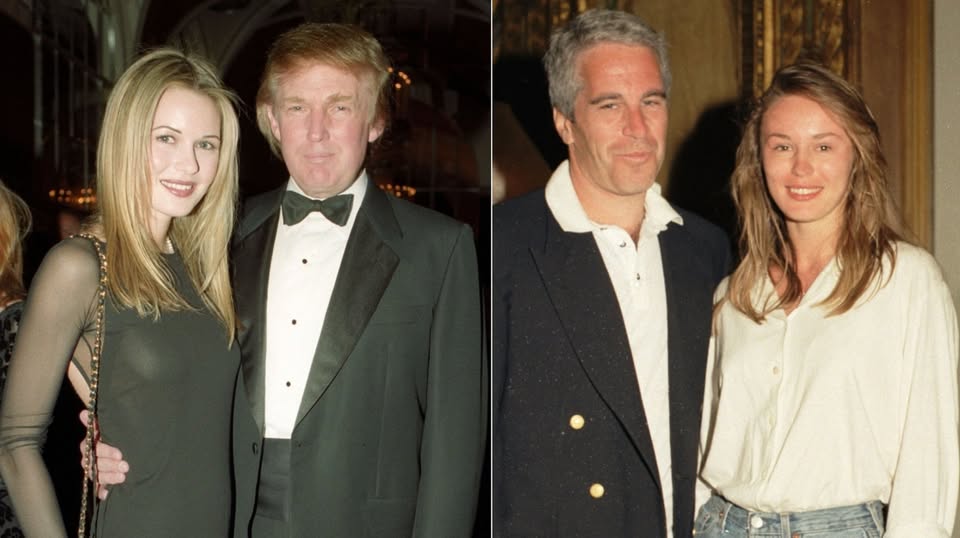
Long before Jeffrey Epstein’s name became shorthand for one of the darkest scandals in modern America, there were warning signs. Quiet ones. Rumors. Interviews that felt off. Allegations that sounded too outrageous to be real. In the rarefied world he moved through—private jets, elite conferences, billionaire circles—credibility flowed from status. If you were accepted by presidents, royalty, scientists, and power brokers, people assumed you were legitimate. Doubt felt socially inconvenient.
That’s the real tragedy. Not just that crimes happened…. but that early warnings didn’t trigger real action. Survivors spoke. Tips circulated. Some people distanced themselves. Yet the system hesitated. Prosecutors negotiated. Lawyers maneuvered. In 2008, a deal was cut that signaled something chilling…. wealth and access could bend accountability. Public outrage was muted. The culture wasn’t ready. Power had the advantage.
Speaking out early—before institutions validate you—is brutal. Whistleblowers face scrutiny, isolation, legal threats, and character attacks. The accused often have elite legal teams and reputations that intimidate editors and investigators. Silence becomes self-protection. Trauma complicates testimony. Memory under stress is rarely neat or linear, yet inconsistencies get weaponized. Meanwhile, legitimacy granted by proximity to power softens skepticism toward the accused.
When investigative journalism reignited the story years later, the environment had shifted. Cultural momentum around believing survivors had grown. Social media changed how information spread. The same allegations once dismissed as improbable suddenly fit a broader pattern. Epstein’s 2019 arrest detonated public awareness. His death in federal custody closed certain legal doors but intensified scrutiny of the networks around him. The story expanded from individual depravity to institutional failure.
This isn’t just about one man. It’s about how influence works. Institutions often protect reputation first. Action accelerates only when denial becomes impossible. By then, harm has multiplied. The lesson isn’t to abandon due process or treat every allegation as fact. The lesson is consistency. Skepticism must apply equally—whether the accused is powerless or powerful. Transparency in prosecutorial decisions. Strong protections for whistleblowers. Independent oversight.
History always looks obvious in reverse. “How did we not see this?” The harder question is what we do when the first uneasy signals appear next time. If speaking too soon carries unbearable cost, silence wins. If credibility continues to flow downward from wealth and status, imbalance persists.
Accountability doesn’t threaten a healthy system…. it strengthens it. The measure of progress isn’t how loudly we react once proof is undeniable. It’s how fairly and seriously we evaluate the first warnings—especially when they challenge power. 🔥